800-224-0286
24/7 Monitoring · Live

Retail Security Services

Uniformed deterrence or plain-clothes loss prevention, delivered by officers trained on merchant detention limits, organized retail crime patterns, and reports a district attorney can actually use.

Contact Us

Trusted by 500+ Organizations

Visible Deterrence Or Quiet Detection, Matched To Your Store

We understand the unique challenges of the retail landscape, from bustling shopping floors to complex supply chain security. Different problems call for a different kind of officer.

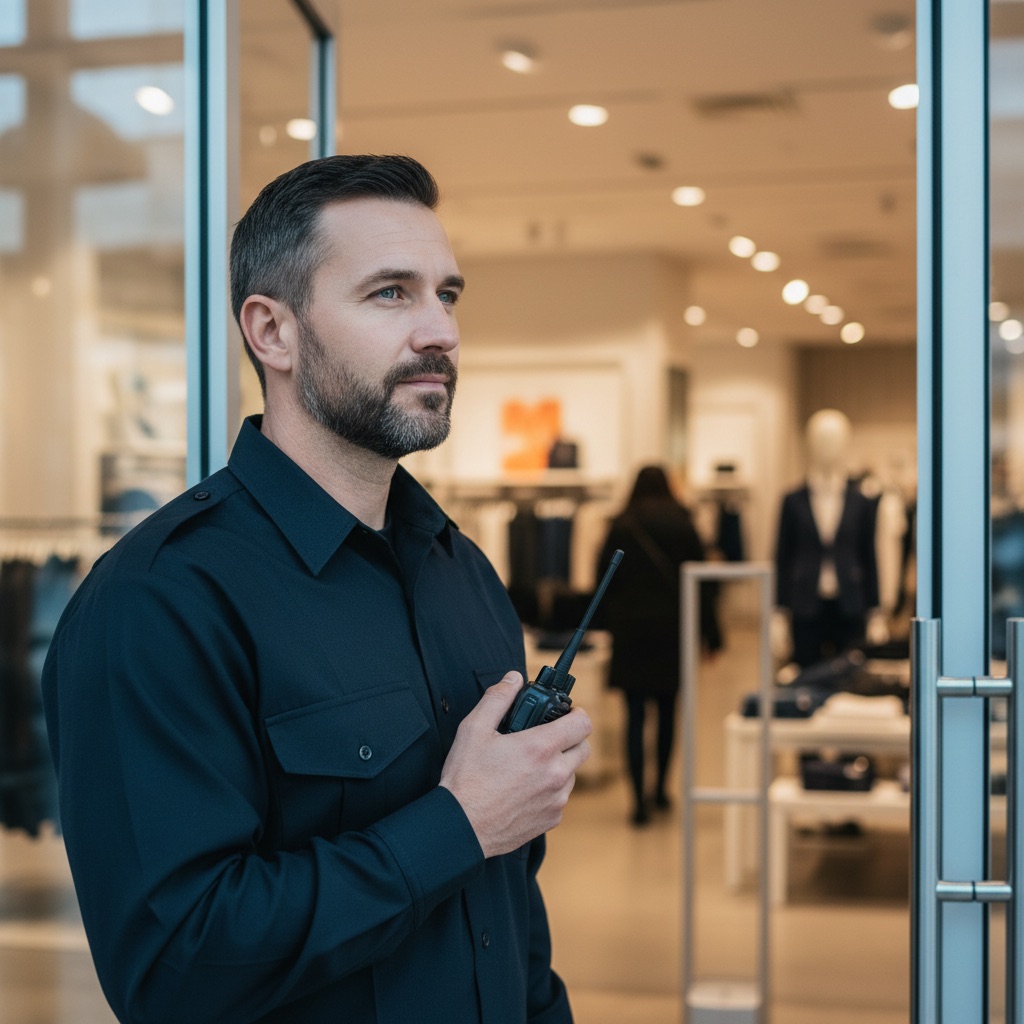
Uniformed security officer with a radio inside a clothing store

Uniformed Store Presence

Strongest visible deterrence - shifts behavior at the door and gives staff and customers a sense of safety.

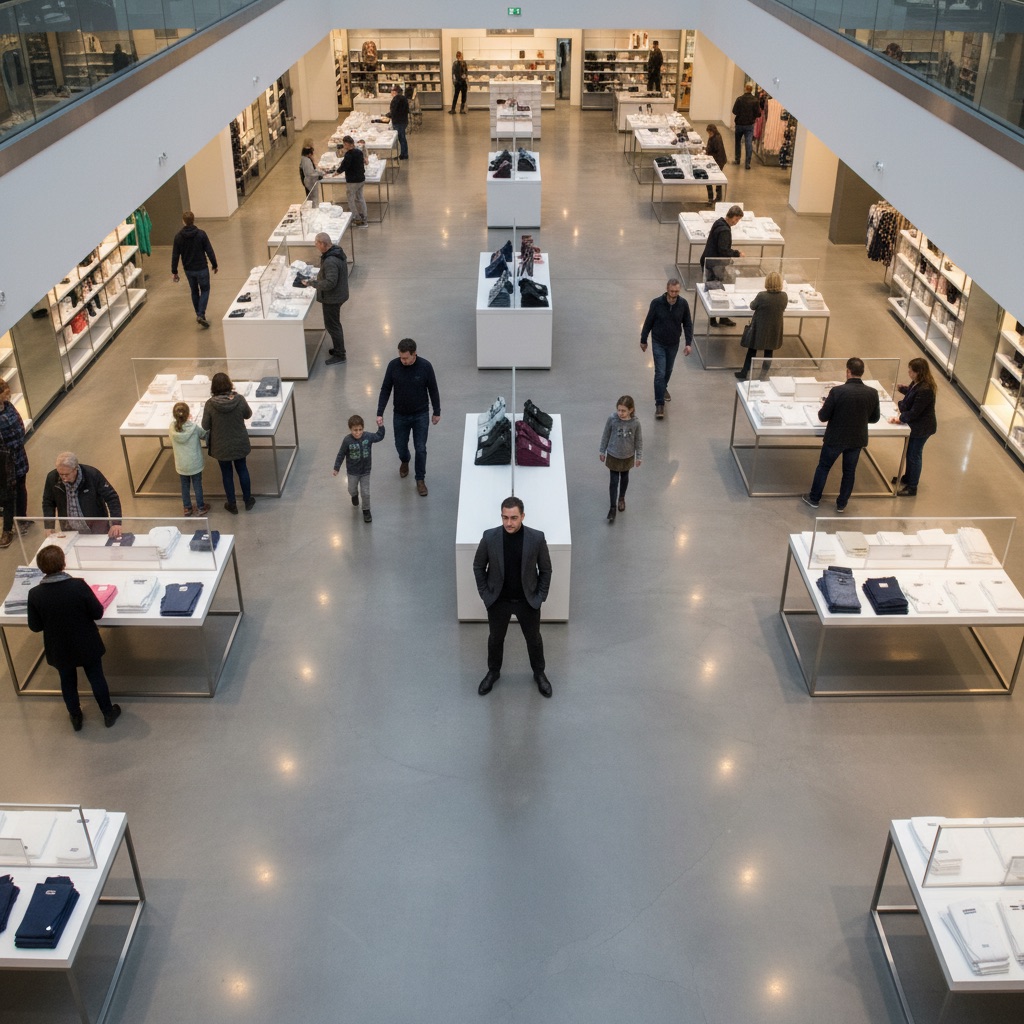
Overhead view of shoppers moving through a busy store floor

Plain-Clothes Loss Prevention

Builds the unbroken observation a lawful detention requires and identifies organized retail crime patterns.

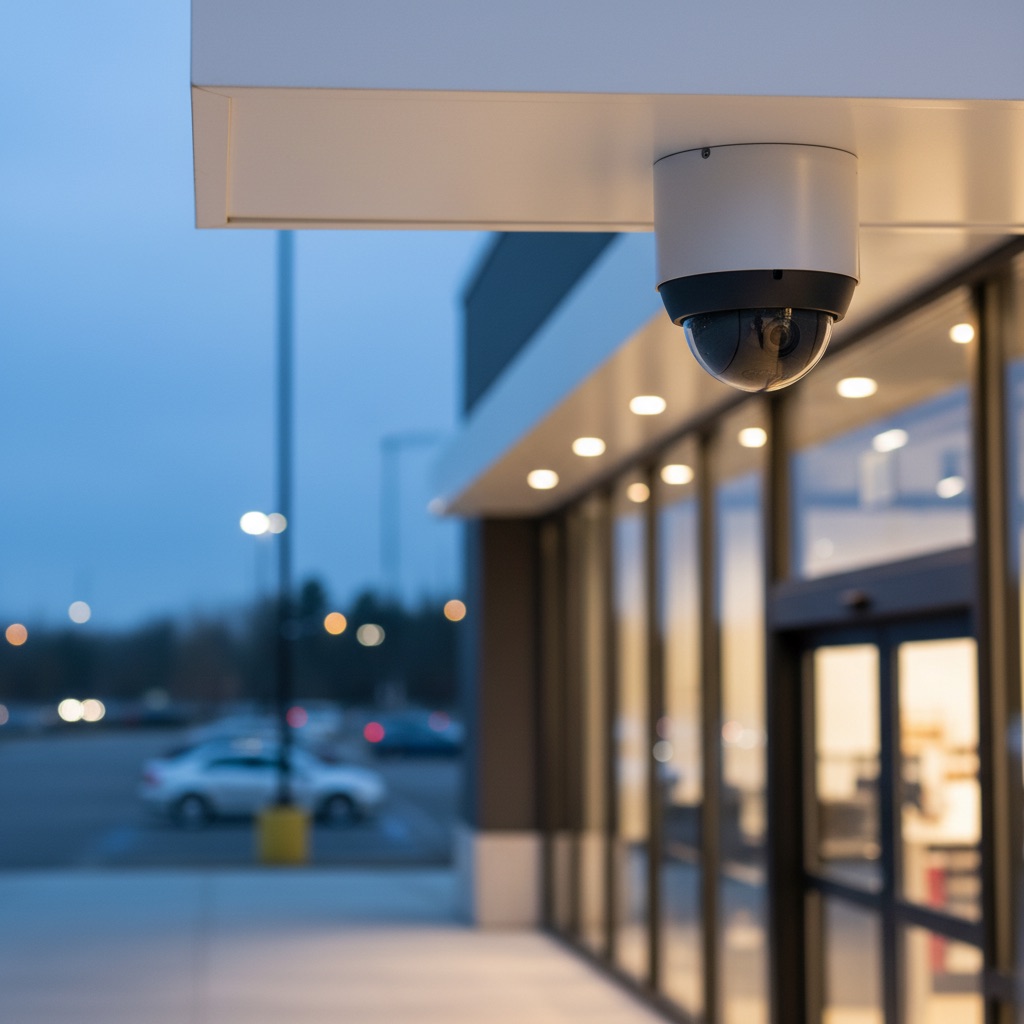
Security camera mounted above a storefront at dusk

Camera Monitoring & Mobile Patrol

Lowest-cost option, but weak deterrence with no ability to build a lawful detention on its own.

Every Stop Starts With What The Officer Saw

A stop is only as strong as what the officer personally witnessed. Before anyone is approached, our officers must see the item selected, see it concealed, and keep the person in view until they pass the last point of sale.

If that view is interrupted at any point, the officer lets the person go. For your store, that means fewer wrongful stops, fewer complaints, and far less exposure to a false-detention claim.

Calm, Brief, And
By The Book

When a stop does happen, the goal is to resolve it quickly and quietly, not to hold someone longer than necessary. Officers wait with the person for law enforcement, use no more force than the situation truly calls for, and keep the interaction away from your customers.

Your post orders spell out who can be stopped, when a person must be released, and when a different response is needed, such as with minors or someone in a medical or mental-health crisis.

Documentation Is What Makes It Hold Up

A detention that was lawful and a detention that can be proven lawful are different things eighteen months later in a courtroom.

The officer records the observation chain step by step: times, the specific items and their retail value, the exact words used, who else was present, and when law enforcement was called and arrived.

Retail Security Options Compared

Consideration

Visible deterrence

Building a lawful detention

Organized retail crime cases

Cost profile

Customer incidents and de-escalation

Uniformed Store Officer

Visible deterrence

Strongest; changes behavior at the door

Building a lawful detention

Limited; subject is aware of the officer

Organized retail crime cases

Records vehicles and entry patterns

Cost profile

Moderate, per staffed hour

Customer incidents and de-escalation

Primary responder on the floor

Plain Clothes Loss Prevention

Visible deterrence

None by design

Building a lawful detention

Strongest; unbroken observation possible

Organized retail crime cases

Builds multi-visit subject files

Cost profile

Moderate, judged on recovery

Customer incidents and de-escalation

Avoids involvement to protect cover

Camera Monitoring & Mobile Patrol

Visible deterrence

Weak; signage effect only

Building a lawful detention

Not possible

Organized retail crime cases

Footage only, no context

Cost profile

Lowest cost, highest residual shrink

Customer incidents and de-escalation

Not addressed

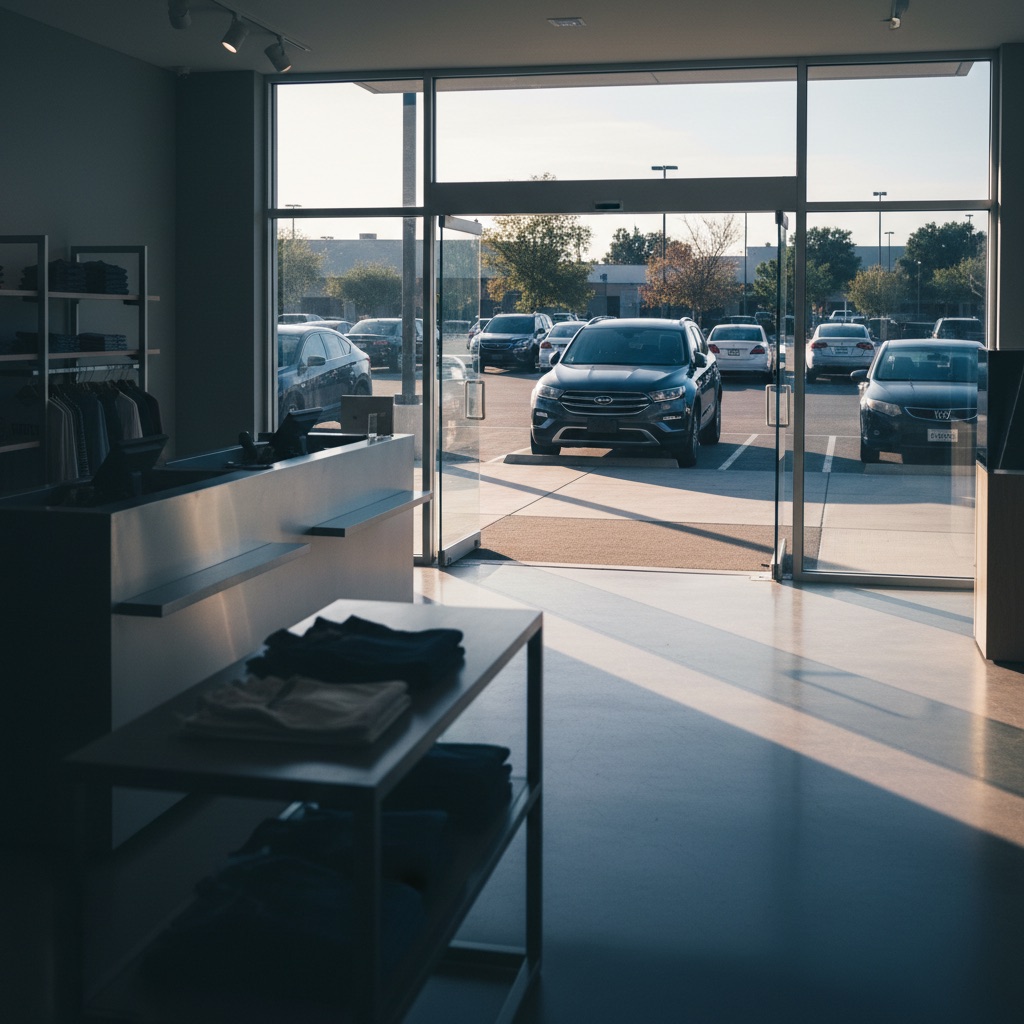
Store entrance looking out onto a parking lot with cars

Built For Organized Retail Crime, Not Just Shoplifters

Officers watch for the entry pattern (groups splitting up, empty bags, a vehicle staged facing out), record it from a safe position, and never give chase. The goal isn't a heroic stop; it's making the third visit prosecutable.

Long aisle of empty shelves in a retail stockroom

Deterrence At The Door vs. Detection In The Aisles

A uniformed officer changes behavior before anything happens. A plain-clothes officer builds the continuous observation a lawful detention requires. Most stores with a real shrink problem and a real atmosphere problem need both, deployed to different hours.

FAQ’s

Find answers to common questions about our services, process, and approach to protecting what matters most.

Learn More

Can your officers physically detain a shoplifter?

Only within the limits of your state's merchant detention law and your post orders. An officer may detain someone only after unbroken observation of the theft, for a reasonable time and in a reasonable manner, and then waits with them for law enforcement. If your policy is no physical contact, we follow it.

Will your officers chase a subject into the parking lot?

No. A chase puts customers, staff, and the officer at risk and rarely recovers merchandise. Officers record the subject, the vehicle, and the direction of travel from a safe position and hand it to law enforcement, which is what makes a later case possible.

Should we choose uniformed officers or plain clothes?

It depends on the problem. If you need visible deterrence and a calmer sales floor, start with a uniformed officer. If losses come from repeat or organized theft, plain-clothes officers build the observation a lawful stop requires. Many stores use both, deployed to different hours.

Can you provide coverage only during holiday season or a grand opening?

Yes. We staff short-term and seasonal assignments, from a single opening weekend to the full holiday season, with officers briefed on your store layout and post orders before the first shift.

Build a Smarter Security Plan

Tell us what you need to protect. We’ll combine advanced technology, intelligent monitoring, and expert security to build the right solution for you.

Send us a message

Thank you! We’ll be in touch shortly.